Have your feet inspected by a professional before starting a new sport or physical activity. Taking charge of your foot health will keep you in good physical condition and can help you avoid a potential injury, such as a fracture or sprained ankle.
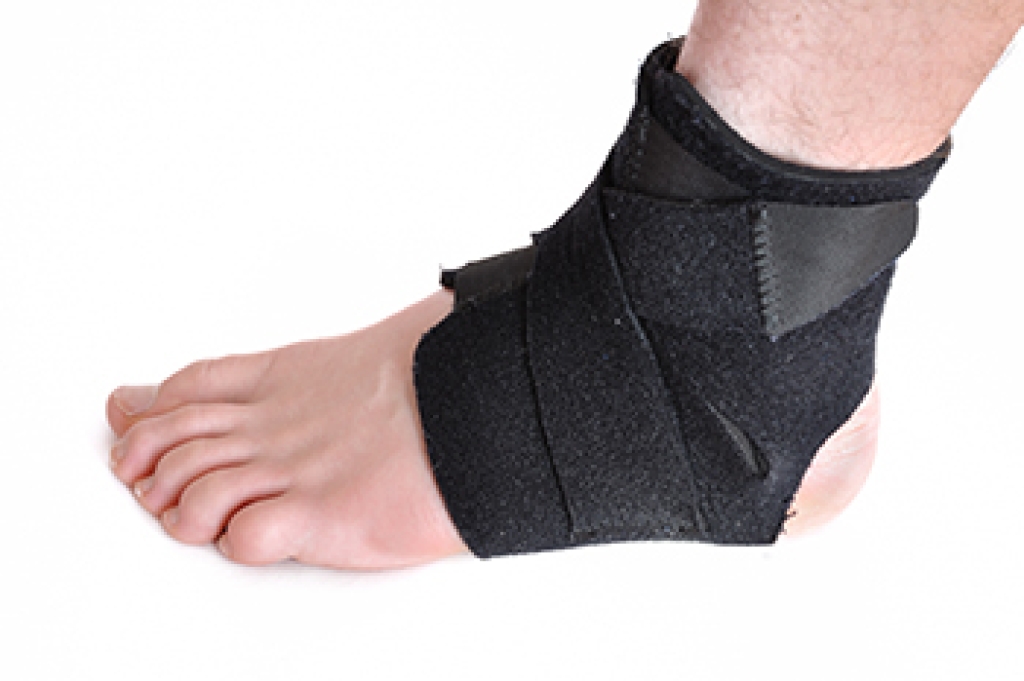
Ankle braces are supportive devices designed to stabilize the ankle joint and limit excessive movement that can lead to injury. They are commonly used for both prevention and recovery, especially in individuals who are active or have a history of ankle instability. Ankle braces come in several forms, including lace up support designs that provide adjustable compression and a secure fit. These braces help maintain proper alignment of the joint while allowing controlled movement, making them an effective tool for protecting the ankle during daily activities and physical exercise.
Symptoms that may indicate the need for an ankle brace include swelling, weakness, and a feeling of instability in the ankle. Individuals recovering from sprains or dealing with chronic conditions such as Achilles tendon injuries often benefit from added support. An ankle brace can help reduce strain on the Achilles tendon by limiting excessive motion and providing gentle compression. This support helps decrease inflammation and promotes a more stable walking pattern, which is essential for healing and long term joint health.
Risk factors that increase the need for ankle support include previous ankle injuries, high impact sports, and wearing poor footwear. Weak ligaments and reduced balance can also contribute to instability. Lace-up ankle braces are particularly helpful because they allow for a customized fit that adjusts to swelling and activity level. These braces provide consistent support throughout movement, helping reduce the risk of re-injury while improving confidence during physical activity.
Using an ankle brace as part of a comprehensive care plan can improve recovery and prevent further injury. It is important to pair bracing with strengthening exercises and proper footwear to support overall foot and ankle health. Early use of supportive devices can make a significant difference in healing outcomes. If you have foot pain and need to wear an ankle brace, it is suggested that you consult a podiatrist to explore appropriate treatment solutions, which may include using orthotics.
If you are having discomfort in your feet and would like to try orthotics, contact Lance Greiff, DPM from Great Neck Podiatry. Our doctor can provide the care you need to keep you pain-free and on your feet.
What Are Orthotics?
Orthotics are inserts you can place into your shoes to help with a variety of foot problems such as flat feet or foot pain. Orthotics provide relief and comfort for minor foot and heel pain but can’t correct serious biomechanical problems in your feet.
Over-the-Counter Inserts
Orthotics come in a wide variety of over-the-counter inserts that are used to treat foot pain, heel pain, and minor problems. For example, arch supports can be inserted into your shoes to help correct overarched or flat feet, while gel insoles are often used because they provide comfort and relief from foot and heel pain by alleviating pressure.
Prescription Orthotics
If over-the-counter inserts don’t work for you or if you have a more severe foot concern, it is possible to have your podiatrist prescribe custom orthotics. These high-quality inserts are designed to treat problems such as abnormal motion, plantar fasciitis, and severe forms of heel pain. They can even be used to help patients suffering from diabetes by treating foot ulcers and painful calluses and are usually molded to your feet individually, which allows them to provide full support and comfort.
If you are experiencing minor to severe foot or heel pain, it’s recommended to speak with your podiatrist about the possibilities of using orthotics. A podiatrist can determine which type of orthotic is right for you and allow you to take the first steps towards being pain-free.
If you have any questions, please feel free to contact our offices located in Great NeckBronx, NY. We offer the newest diagnostic and treatment technologies for all your foot care needs.
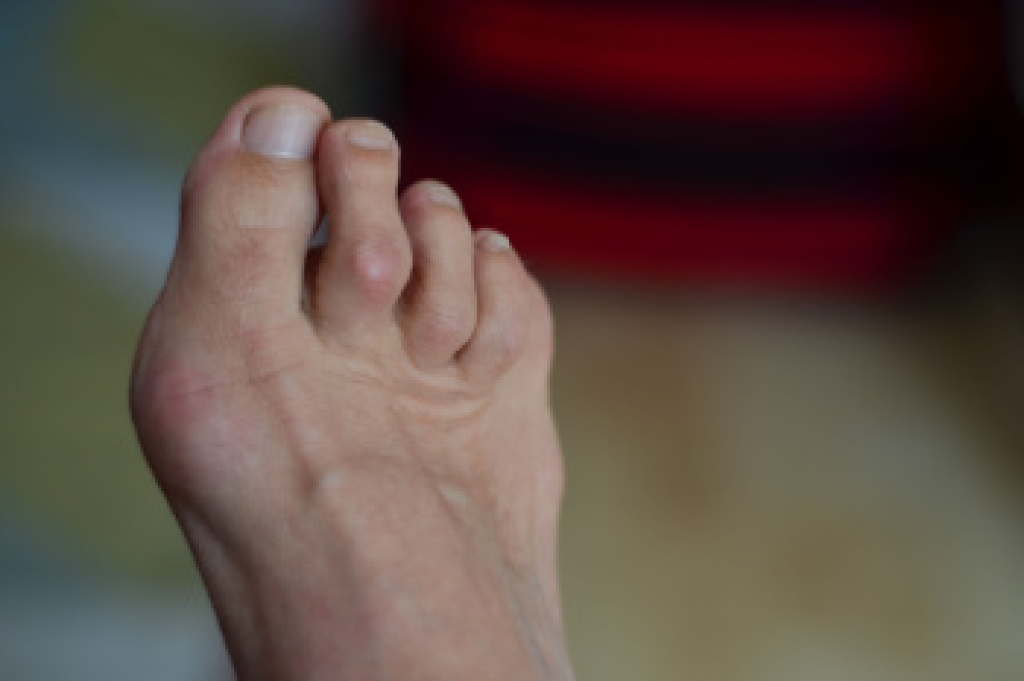
A hammertoe is a toe that bends downward at the middle joint instead of lying flat. This change in position most often affects the second toe, although it can develop in other toes as well. At first, the toe may still move freely, but it can become more rigid as the condition progresses. The abnormal bend can create pressure inside a shoe and cause pain while walking. Corns and calluses sometimes develop where the toe rubs against the shoe. A podiatrist can evaluate the shape of the toe, identify the cause of the deformity, and recommend treatment that improves comfort and function.
Several factors can contribute to a hammertoe. Muscle and tendon imbalance is one of the leading causes because it changes how the toe moves. Tendons are strong bands of tissue that connect muscles to bones and help control movement. Arthritis, previous injuries, and shoes that lack proper support can also increase the risk. Shoes that fit too tightly around the toes can place added pressure on the joints and make the deformity worse. A podiatrist performs a physical examination and checks how well the toe moves. X-rays help evaluate the position of the bones and determine how advanced the deformity has become.
Treatment depends on the severity of the hammertoe and how much it affects daily activities. A podiatrist can recommend custom orthotics to improve foot alignment and reduce pressure on the affected toe. Other treatment options include padding and splints to improve flexibility and support better movement. Prescription medications can also help reduce pain and inflammation. When the toe becomes stiff or other treatments do not provide enough relief, surgery can straighten the toe and improve function. Early treatment helps prevent the deformity from becoming more severe and supports healthier movement. If you have symptoms of hammertoe, it is suggested that you schedule an appointment with a podiatrist for a diagnosis and appropriate treatment.
Hammertoe
Hammertoes can be a painful condition to live with. For more information, contact Lance Greiff, DPM from Great Neck Podiatry. Our doctor will answer any of your foot- and ankle-related questions.
Hammertoe is a foot deformity that affects the joints of the second, third, fourth, or fifth toes of your feet. It is a painful foot condition in which these toes curl and arch up, which can often lead to pain when wearing footwear.
Symptoms
Pain in the affected toes
Development of corns or calluses due to friction
Inflammation
Redness
Contracture of the toes
Causes
Genetics – People who are genetically predisposed to hammertoe are often more susceptible
Arthritis – Because arthritis affects the joints in your toes, further deformities stemming from arthritis can occur
Trauma – Direct trauma to the toes could potentially lead to hammertoe
Ill-fitting shoes – Undue pressure on the front of the toes from ill-fitting shoes can potentially lead to the development of hammertoe
Treatment
Orthotics – Custom made inserts can be used to help relieve pressure placed on the toes and therefore relieve some of the pain associated with it
Medications – Oral medications such as anti-inflammatories or NSAIDs could be used to treat the pain and inflammation hammertoes causes. Injections of corticosteroids are also sometimes used
Surgery – In more severe cases where the hammertoes have become more rigid, foot surgery is a potential option
If you have any questions, please feel free to contact our offices located in Great NeckBronx, NY. We offer the newest diagnostic and treatment technologies for all your foot care needs.
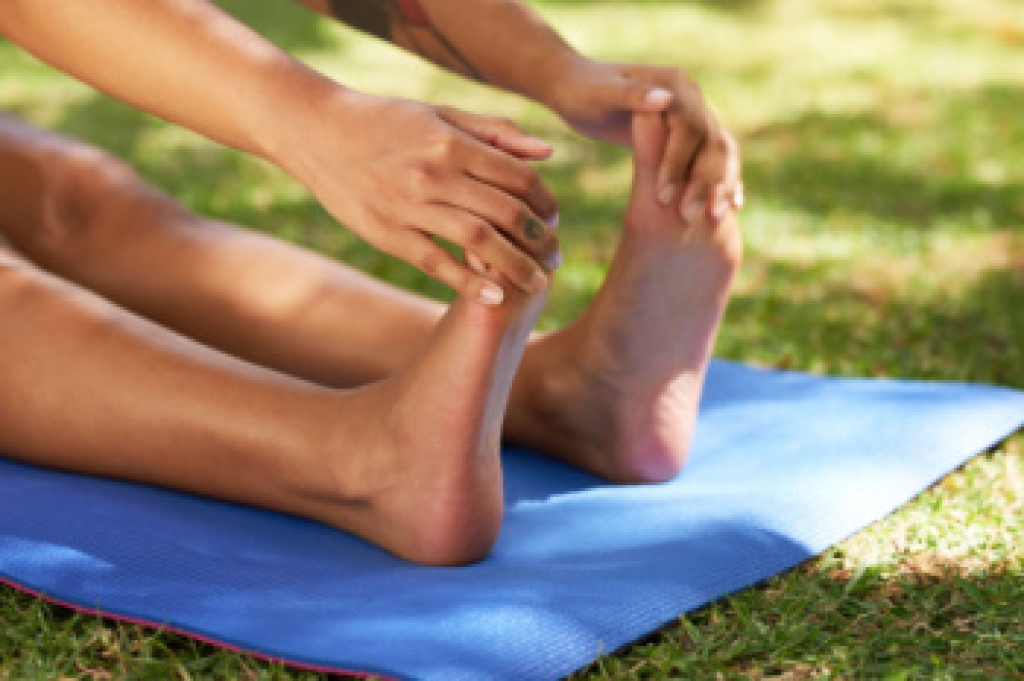
Stretching plays an important role in maintaining flexibility, mobility, and overall foot health. The feet contain numerous muscles, tendons, and ligaments that work together to support movement and balance. These structures are placed under constant stress when walking, running, and standing throughout the day. When the muscles and soft tissues of the feet become tight, individuals may experience discomfort, stiffness, or reduced mobility. Foot flexibility is especially important for maintaining proper movement patterns and reducing strain on other areas of the lower body. Healthy foot function can contribute to better comfort and improved performance during everyday activities.
Limited flexibility in the feet can affect more than just the foot itself. Tight muscles and restricted movement may contribute to conditions like heel pain, arch discomfort, and reduced ankle mobility. These issues can influence walking mechanics and place additional stress on the ankles, knees, and legs. Athletes, active individuals, and people who spend long hours on their feet may be more likely to experience foot tightness and related discomfort. Paying attention to foot mobility is an important part of maintaining healthy movement and supporting overall musculoskeletal function. Early evaluation can help identify underlying issues that may be contributing to ongoing foot pain or stiffness.
Podiatric care can help address foot problems that affect flexibility and mobility. A podiatrist can evaluate foot structure, gait, and joint function to determine whether underlying conditions are contributing to discomfort or restricted movement. A professional assessment may identify issues involving the muscles, tendons, or joints that require specialized care. By addressing the source of foot pain and mobility limitations, a podiatrist can help improve function and support long-term foot health. Maintaining proper foot movement is important for staying active and comfortable throughout daily life. If you are experiencing foot stiffness, reduced mobility, or foot pain, it is suggested that you consult a podiatrist for an evaluation and appropriate treatment options.
Everyday foot care is very important to prevent infection and other foot ailments. If you need your feet checked, contact Lance Greiff, DPM from Great Neck Podiatry. Our doctor can provide the care you need to keep you pain-free and on your feet.
Everyday Foot Care
Often, people take care of their bodies, face and hair more so than they do for their feet. But the feet are a very important aspect of our bodies, and one that we should pay more attention to. Without our feet, we would not be able to perform most daily tasks.
It is best to check your feet regularly to make sure there are no new bruises or cuts that you may not have noticed before. For dry feet, moisturizer can easily be a remedy and can be applied as often as necessary to the affected areas. Wearing shoes that fit well can also help you maintain good foot health, as well as making it easier to walk and do daily activities without the stress or pain of ill-fitting shoes, high heels, or even flip flops. Wearing clean socks with closed shoes is important to ensure that sweat and bacteria do not accumulate within the shoe. Clean socks help to prevent Athlete’s foot, fungi problems, bad odors, and can absorb sweat.
If you have any questions, please feel free to contact our offices located in Great NeckBronx, NY. We offer the newest diagnostic and treatment technologies for all your foot care needs.
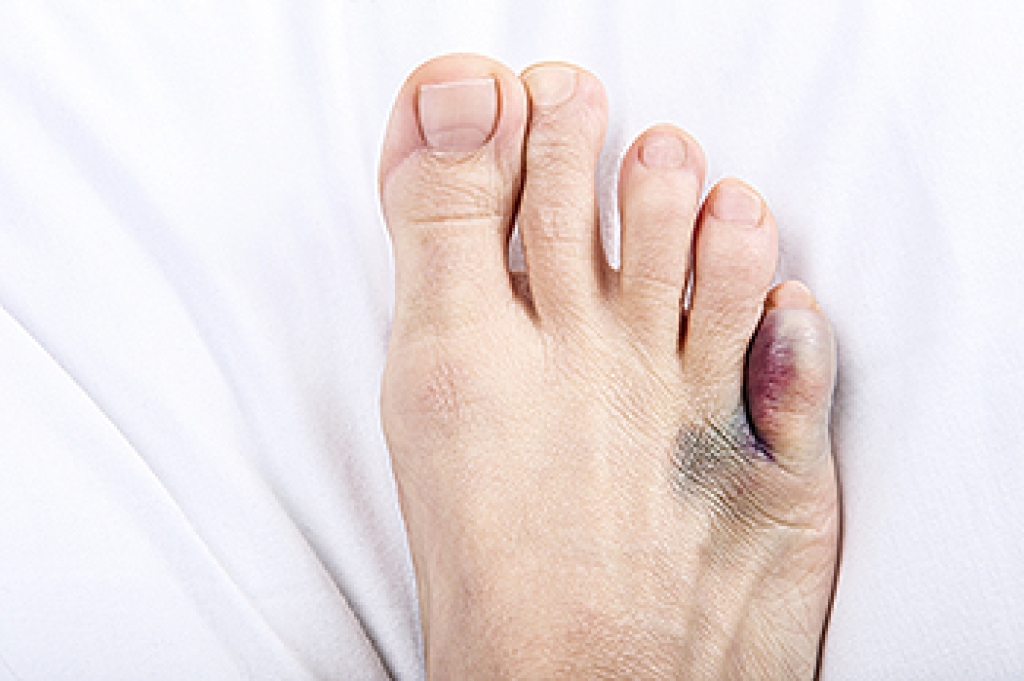
Pain in the pinky toe can develop for several reasons. Because the pinky toe sits on the outside edge of the foot, it is more likely to be bumped, stubbed, or injured. A direct impact can cause a fracture, which is a broken bone, or a sprain, which is a stretched or torn ligament that connects bones. Repeated stress from running, jumping, or other high-impact activities can also lead to small cracks in the bone. Tight-fitting shoes are another common cause of pinky toe pain. A painful corn, which is an area of thickened skin caused by friction, can also develop on or around the pinky toe.
Structural problems in the foot may contribute to pinky toe pain. Some people develop a tailor's bunion, which is a bony bump that forms near the base of the pinky toe. This can become irritated when it rubs against footwear. Other toe shape changes can place extra pressure on the pinky toe and nearby joints. These problems can lead to redness, swelling, and discomfort while walking. In some cases, the toe can become partially or completely dislocated, meaning the bones move out of their normal position. This type of injury can cause severe pain, bruising, and difficulty putting weight on the foot.
A podiatrist can determine the cause of pinky toe pain through a physical examination, X-rays, and other imaging scans. Treatment depends on the source and severity of the problem. Care may include immobilization with a walking boot, protective padding, or custom orthotics to reduce pressure. A podiatrist may also recommend footwear changes to improve comfort and support. More severe injuries or structural problems may require surgery to restore proper alignment and relieve pain. If you have injured a pinky toe, it is suggested that you make an appointment with a podiatrist for an exam and diagnosis.
Toe pain can disrupt your daily activities. If you have any concerns, contact Lance Greiff, DPM of Great Neck Podiatry. Our doctor can provide the care you need to keep you pain-free and on your feet.
What Causes Toe Pain?
Most severe toe pain is caused due to a sports injury, trauma from dropping something heavy on the toe, or bumping into something rigid. Other problems can develop over time for various reasons.
Toe pain can be caused by one or more ailments. The most common include:
Trauma
Sports injury
Wearing shoes that are too tight
Arthritis
Gout
Corns and calluses
Hammertoe
Bunions
Blisters
Ingrown toenails
Sprains
Fractures (broken bones)
Dislocations
When to See a Podiatrist
Severe pain
Persistent pain that lasts more than a week
Signs of infection
Continued swelling
Pain that prevents walking
Diagnosis
In many cases the cause of toe pain is obvious, but in others, a podiatrist may want to use more advanced methods to determine the problem. These can range from simple visual inspections and sensation tests to X-rays and MRI scans. Prior medical history, family medical history, and any recent physical traumatic events will all be taken into consideration for a proper diagnosis.
Treatment
Treatments for toe pain and injuries vary and may include shoe inserts, padding, taping, medicines, injections, and in some cases, surgery. If you believe that you have broken a toe, please see a podiatrist as soon as possible.
If you have any questions please contact our offices located in Great NeckBronx, NY. We offer the newest diagnostic and treatment technologies for all your foot and ankle needs.