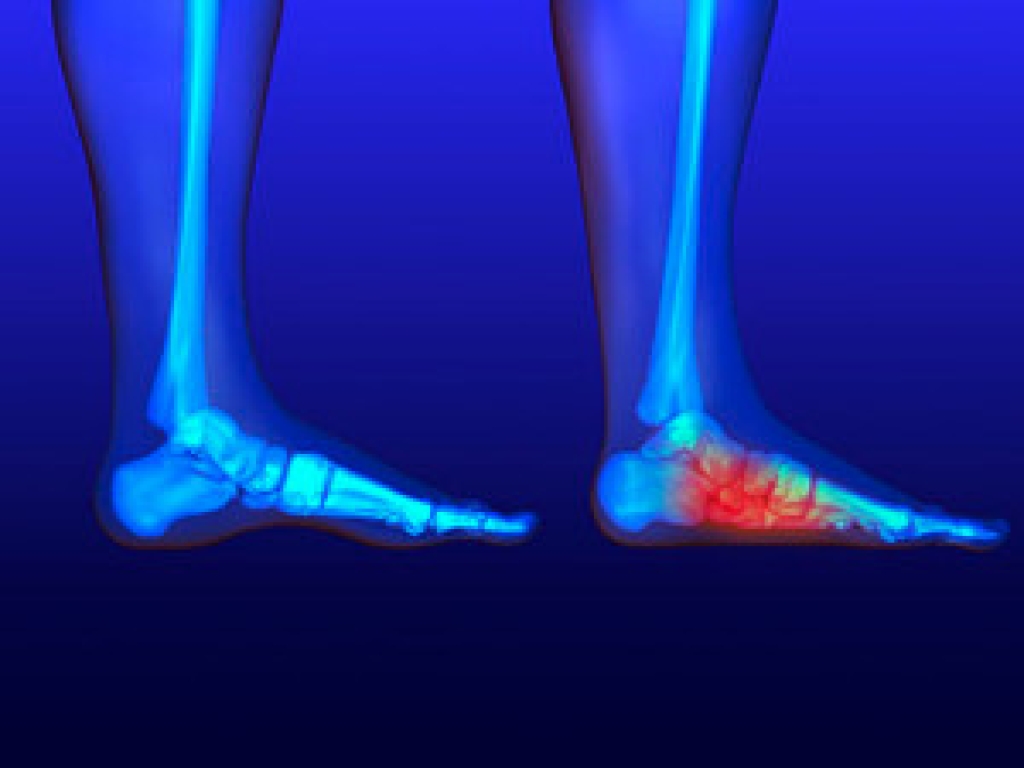
How Common Are Flat Feet?

Flat feet are common among babies. The arch generally develops at approximately age six, but flat feet can continue in ten percent of children through the teenage years. The noticeable signs your child may have flat feet often include stiff joints, the entire foot lying flat on the floor while standing, and possible pain while participating in sporting activities. There are patients who may develop arthritis from having flat feet, and this may be evident in the middle of the foot. If you have symptoms of flat feet, it is suggested that you are under the care of a podiatrist who can guide you toward proper management.

Flatfoot is a condition many people suffer from. If you have flat feet, contact Lance Greiff, DPM from Great Neck Podiatry. Our doctor will treat your foot and ankle needs.

What Are Flat Feet?

Flatfoot is a condition in which the arch of the foot is depressed and the sole of the foot is almost completely in contact with the ground. About 20-30% of the population generally has flat feet because their arches never formed during growth.

Conditions & Problems:

Having flat feet makes it difficult to run or walk because of the stress placed on the ankles.

Alignment – The general alignment of your legs can be disrupted, because the ankles move inward which can cause major discomfort.

Knees – If you have complications with your knees, flat feet can be a contributor to arthritis in that area.  

Symptoms

  • Pain around the heel or arch area
  • Trouble standing on the tip toe
  • Swelling around the inside of the ankle
  • Flat look to one or both feet
  • Having your shoes feel uneven when worn

Treatment

If you are experiencing pain and stress on the foot you may weaken the posterior tibial tendon, which runs around the inside of the ankle. 

If you have any questions, please feel free to contact our offices located in Great Neck Bronx, NY . We offer the newest diagnostic and treatment technologies for all your foot care needs.
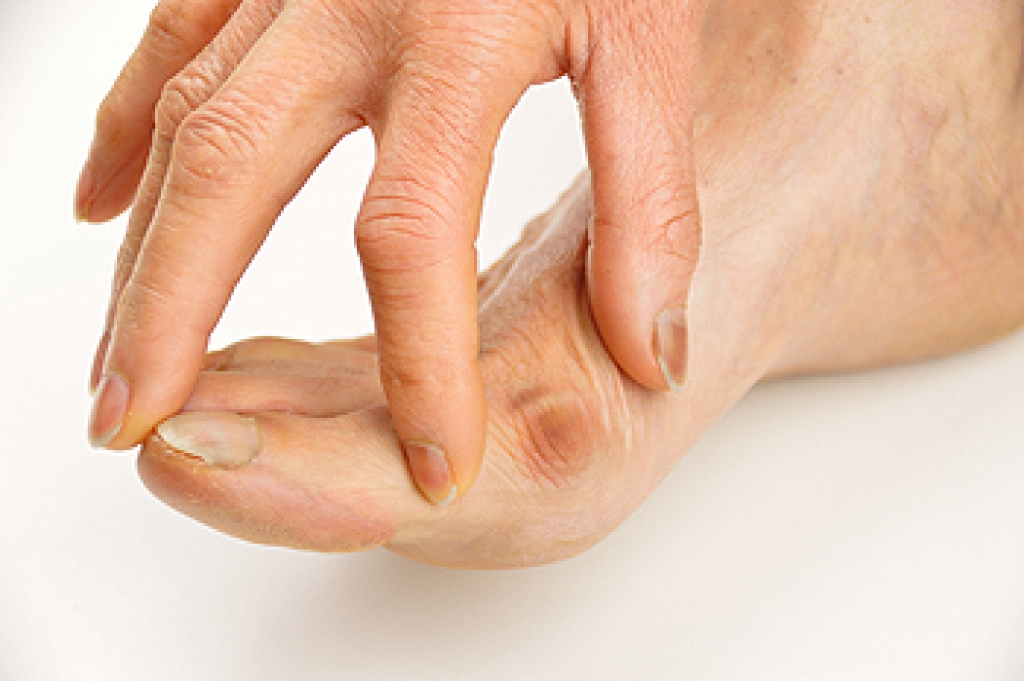
Read more about Flat Feet

Understanding Bunions

Bunions are characterized by a noticeable bump on the side of the big toe, resulting from an abnormality in the foot bones that causes the big toe to lean toward the second toe instead of remaining straight. While some bunions may initially be painless, over time they can lead to toe crowding and discomfort, potentially causing permanent deformity. Genetics play a significant role in the development of bunions, as they are often associated with faulty foot structure inherited from family members. Other contributing factors include flat feet, excessively flexible ligaments, and abnormal bone structure. Symptoms of a bunion may include red and inflamed skin, thickened skin on the underside of the big toe, calluses on the second toe, foot pain, and limited flexibility in the big toe. If you have a bunion with persistent foot pain, decreased flexibility, and difficulty finding comfortable shoes, it is suggested that you make an appointment with a podiatrist who can assess the severity of the bunion and provide treatment options.

If you are suffering from bunion pain, contact Lance Greiff, DPM of Great Neck Podiatry. Our doctor can provide the care you need to keep you pain-free and on your feet.

What Is a Bunion?

Bunions are painful bony bumps that usually develop on the inside of the foot at the joint of the big toe. As the deformity increases over time, it may become painful to walk and wear shoes. Women are more likely to exacerbate existing bunions since they often wear tight, narrow shoes that shift their toes together. Bunion pain can be relieved by wearing wider shoes with enough room for the toes.

Causes

  • Genetics – some people inherit feet that are more prone to bunion development
  • Inflammatory Conditions - rheumatoid arthritis and polio may cause bunion development

Symptoms

  • Redness and inflammation
  • Pain and tenderness
  • Callus or corns on the bump
  • Restricted motion in the big toe

In order to diagnose your bunion, your podiatrist may ask about your medical history, symptoms, and general health. Your doctor might also order an x-ray to take a closer look at your feet. Nonsurgical treatment options include orthotics, padding, icing, changes in footwear, and medication. If nonsurgical treatments don’t alleviate your bunion pain, surgery may be necessary.

If you have any questions, please feel free to contact our offices located in Great Neck Bronx, NY . We offer the newest diagnostic and treatment technologies for all your foot care needs.
Read more about Bunions

Off-Loading Devices and Diabetic Foot Care

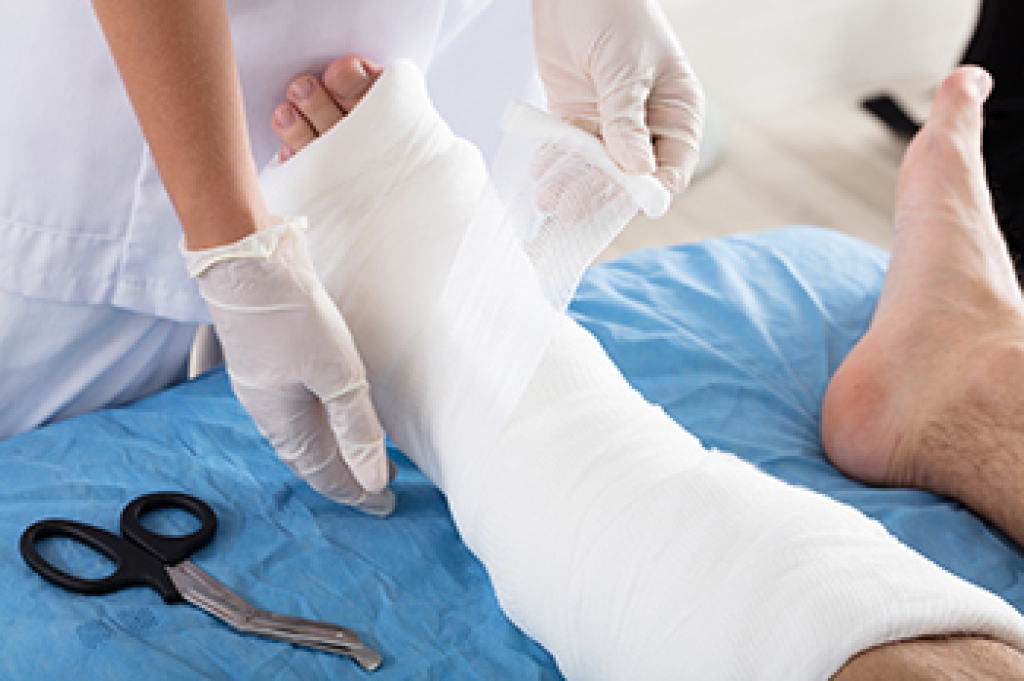
Off-loading devices are an important part of diabetic foot care because they reduce pressure on areas of the foot that are prone to ulceration. When too much stress is concentrated on the ball of the foot, heel, or toes, skin breakdown may occur, leading to painful ulcers that are slow to heal. Off-loading devices such as total contact casts, removable cast walkers, and therapeutic shoes are commonly used to redistribute pressure away from the ulcer site and allow the skin and underlying tissue to recover. While shoe modifications are often chosen, casts and walkers can be more effective in certain cases, especially when the ulcer is located on the sole of the foot. A podiatrist can evaluate the location and severity of the ulcer, determine the most appropriate off-loading method, and provide ongoing monitoring to ensure proper healing. If you have foot pain that may be related to diabetes, it is suggested that you schedule an appointment with a podiatrist for ongoing help in managing this serious condition.

Diabetic foot care is important in preventing foot ailments such as ulcers. If you are suffering from diabetes or have any other concerns about your feet, contact Lance Greiff, DPM from Great Neck Podiatry. Our doctor can provide the care you need to keep you pain-free and on your feet.

Diabetic Foot Care

Diabetes affects millions of people every year. The condition can damage blood vessels in many parts of the body, especially the feet. Because of this, taking care of your feet is essential if you have diabetes, and having a podiatrist help monitor your foot health is highly recommended.

The Importance of Caring for Your Feet

  • Routinely inspect your feet for bruises or sores.
  • Wear socks that fit your feet comfortably.
  • Wear comfortable shoes that provide adequate support.

Patients with diabetes should have their doctor monitor their blood levels, as blood sugar levels play such a huge role in diabetic care. Monitoring these levels on a regular basis is highly advised.

It is always best to inform your healthcare professional of any concerns you may have regarding your feet, especially for diabetic patients. Early treatment and routine foot examinations are keys to maintaining proper health, especially because severe complications can arise if proper treatment is not applied.

If you have any questions, please feel free to contact our offices located in Great Neck Bronx, NY . We offer the newest diagnostic and treatment technologies for all your foot care needs.
Read more about How to Care for Diabetic Foot

Plantar Warts and How to Prevent Them

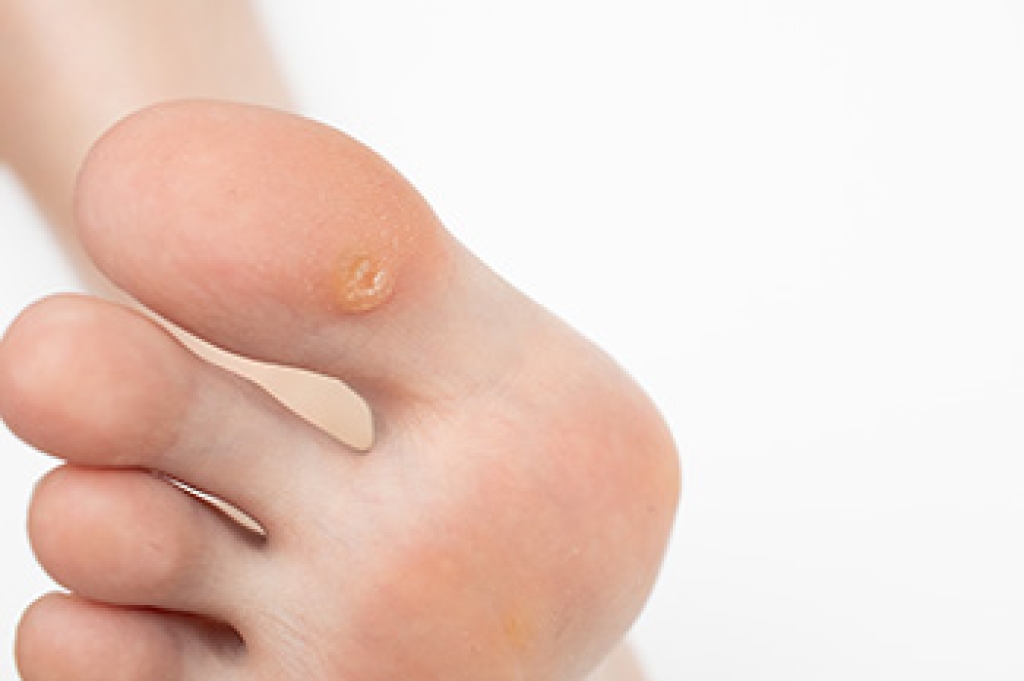
A plantar wart is a small, rough growth that appears on the bottom of the foot, caused by the human papillomavirus, or HPV, infecting the skin through tiny cuts or abrasions. Common causes include walking barefoot in public areas, such as near pools, or in locker rooms or showers, where the virus thrives. Symptoms may include a small, thickened area of skin, extreme pain while walking or standing, and sometimes black dots within the wart. Preventing plantar warts involves keeping feet clean and dry, avoiding direct contact with contaminated surfaces, and wearing protective footwear in public spaces. A podiatrist can diagnose plantar warts, provide safe treatment options, and offer guidance to prevent recurrence. If you have concentrated foot pain while standing or walking, it is suggested that you consult a podiatrist who can provide an accurate diagnosis and treatment. 

Plantar warts can be very uncomfortable. If you need your feet checked, contact Lance Greiff, DPM from Great Neck Podiatry. Our doctor will assist you with all of your foot and ankle needs.

About Plantar Warts

Plantar warts are the result of HPV, or human papillomavirus, getting into open wounds on the feet. They are mostly found on the heels or balls of the feet.

While plantar warts are generally harmless, those experiencing excessive pain or those suffering from diabetes or a compromised immune system require immediate medical care. Plantar warts are easily diagnosed, usually through scraping off a bit of rough skin or by getting a biopsy.

Symptoms

  • Lesions on the bottom of your feet, usually rough and grainy
  • Hard or thick callused spots
  • Wart seeds, which are small clotted blood vessels that look like little black spots
  • Pain, discomfort, or tenderness of your feet when walking or standing

Treatment

  • Freezing
  • Electric tool removal
  • Laser Treatment
  • Topical Creams (prescription only)
  • Over-the-counter medications

To help prevent developing plantar warts, avoid walking barefoot over abrasive surfaces that can cause cuts or wounds for HPV to get into. Avoiding direct contact with other warts, as well as not picking or rubbing existing warts, can help prevent the further spread of plantar warts. However, if you think you have developed plantar warts, speak to your podiatrist. He or she can diagnose the warts on your feet and recommend the appropriate treatment options.

If you have any questions, please feel free to contact our offices located in Great Neck Bronx, NY . We offer the newest diagnostic and treatment technologies for all your foot care needs.

Read more about Plantar Warts

The Brannock Device and Accurate Foot Measurement

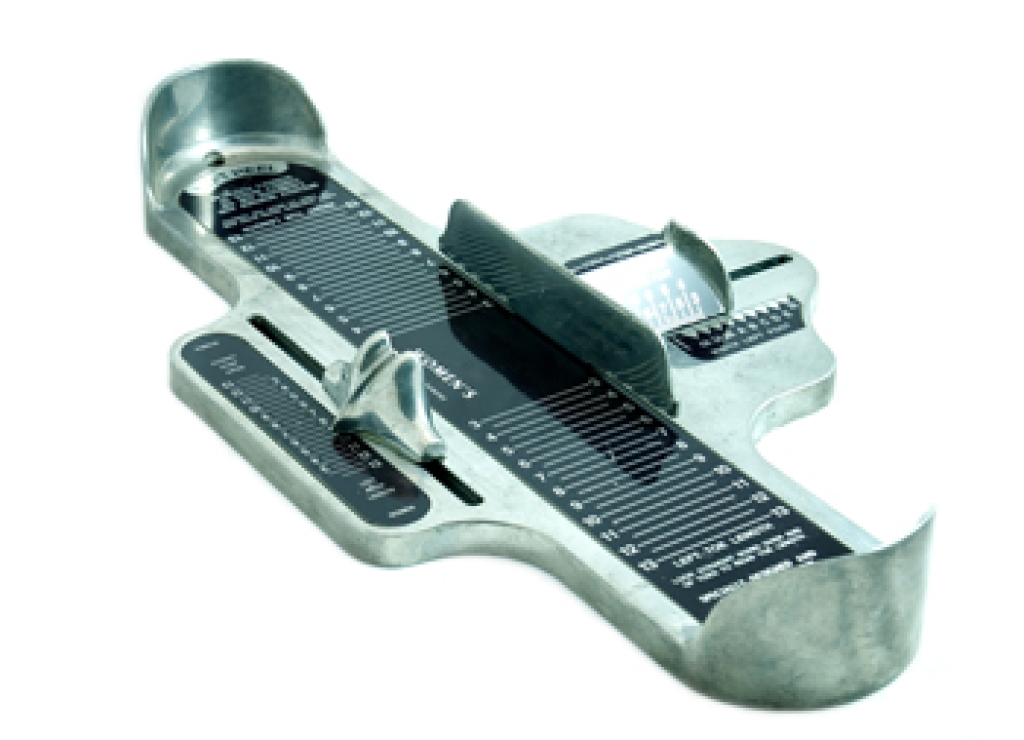
The Brannock device is a tool invented in the 1920s to provide precise foot measurements for proper shoe fitting. Before its creation, foot measurements were often inaccurate, leading to discomfort and poor support. The device measures both the length and width of the foot, ensuring that shoes are selected to match an individual’s exact size. By solving the problem of unreliable sizing, it has become the standard in footwear fitting worldwide. A podiatrist advises that wearing correctly fitted shoes is essential for preventing pain, blisters, and long-term foot problems. If you experience discomfort or are unsure about your shoe size, it is suggested that you schedule a visit with a podiatrist who can treat various foot conditions and measure your feet properly.

Getting the right shoe size is an important part of proper foot health. Seek the assistance of Lance Greiff, DPM from Great Neck Podiatry. Our doctor will provide the care you need to keep you pain-free and on your feet.

Getting the Right Shoe Size

There are many people who wear shoes that are the incorrect size, negatively affecting their feet and posture. Selecting the right shoes is not a difficult process, so long as you keep several things in mind when it comes to choosing the right pair.

  • When visiting the shoe store, use the tools available to measure your foot.
  • Be sure there is ‘wiggle room’. There should be about an inch between your toes and the tip of your shoes.
  • Do not always assume you are the same size, as manufacturers run differently.
  • Purchase shoes later in the day, as your feet swell as the day progresses.
  • If a shoe is not comfortable, it is not suitable. Most shoes can’t be ‘broken in’, and comfort should be the ultimate goal when it comes to choosing the right pair of shoes

As our feet hold our body weight and keep us moving, it is important to treat them right. Picking the right pair of shoes can provide your feet comfort and mobility without pain.

If you have any questions, please feel free to contact our offices located in Great Neck Bronx, NY . We offer the newest diagnostic and treatment technologies for all your foot care needs.

Read more about How to Get a Proper Shoe Fit