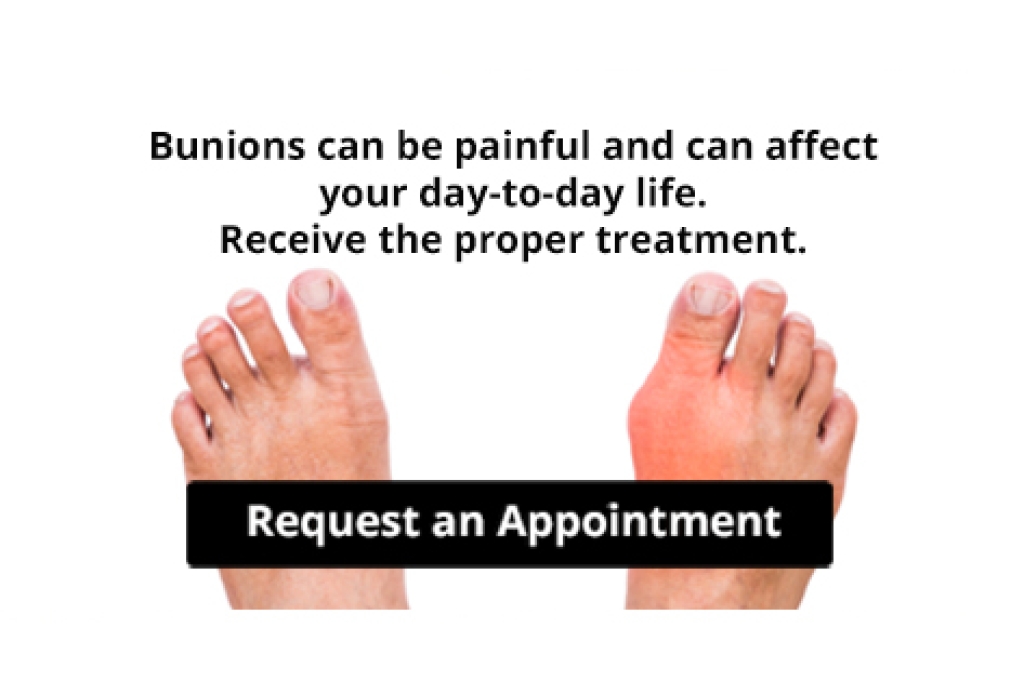
Have you noticed a bony protrusion on the side of your big toe? If so, you may have developed the foot condition known as a bunion. Don't let bunions interfere with your daily activities.


Have you noticed a bony protrusion on the side of your big toe? If so, you may have developed the foot condition known as a bunion. Don't let bunions interfere with your daily activities.

When an ingrown toenail keeps coming back or causes significant pain, treatment often moves beyond simple soaks and shoe changes. Partial nail avulsion is a common procedure where a podiatrist removes the offending edge to relieve pressure and allow the skin to heal. In some cases, a small amount of the nail root is treated with a chemical or laser to prevent regrowth in that section. For nails distorted by trauma or fungal infection, reconstructive techniques can restore a smoother edge and reduce future irritation. Persistent inflammation may be addressed with targeted medication to calm tissue and prevent infection. These approaches aim to correct the problem at its source rather than just relieve symptoms. If ingrown toenail discomfort, swelling, or infection continues despite initial care, a podiatrist can recommend the most effective option for lasting relief.
Ingrown toenails may initially present themselves as a minor discomfort, but they may progress into an infection in the skin without proper treatment. For more information about ingrown toenails, contact Lance Greiff, DPM of Great Neck Podiatry. Our doctor can provide the care you need to keep you pain-free and on your feet.
Ingrown Toenails
Ingrown toenails are caused when the corner or side of a toenail grows into the soft flesh surrounding it. They often result in redness, swelling, pain, and in some cases, infection. This condition typically affects the big toe and may recur if it is not treated properly.
Causes
You are more likely to develop an ingrown toenail if you are obese, have diabetes, arthritis, or have any fungal infection in your nails. Additionally, people who have foot or toe deformities are at a higher risk of developing an ingrown toenail.
Symptoms
Some symptoms of ingrown toenails are redness, swelling, and pain. In rare cases, there may be a yellowish drainage coming from the nail.
Treatment
Ignoring an ingrown toenail can have serious complications. Infections of the nail border can progress to a deeper soft-tissue infection, which can then turn into a bone infection. You should always speak with your podiatrist if you suspect you have an ingrown toenail, especially if you have diabetes or poor circulation.
If you have any questions, please feel free to contact our offices located in Great Neck Bronx, NY . We offer the newest diagnostic and treatment technologies for all your foot care needs.
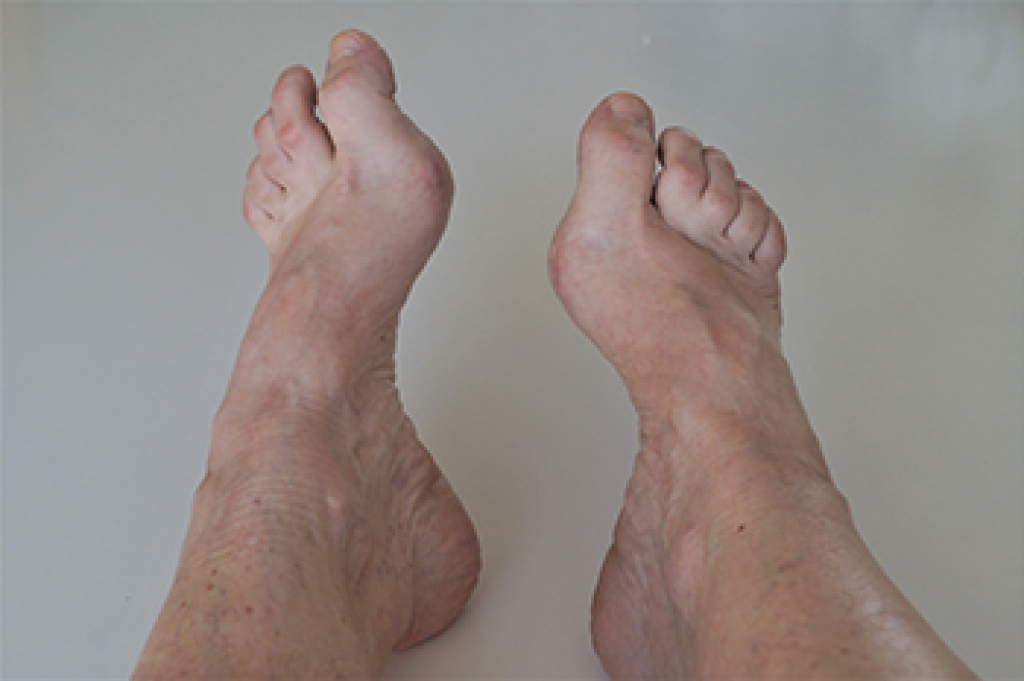
High arch pain, or pes cavus, occurs when the foot has an unusually high arch. This puts extra stress on the ball and heel of the foot. Common symptoms include pain, instability, and difficulty walking. Other issues include metatarsalgia, calluses, ankle arthritis, and Achilles tendonitis. High arch pain can be caused by neurological disorders, muscle imbalances, or previous injuries. A podiatrist can help by assessing the foot’s structure and offering treatments, such as custom orthotics and specialized footwear. In more severe cases, surgery may be needed to relieve pain and improve foot function. If you are experiencing pain in the arch of the foot, it is suggested that you schedule an appointment with a podiatrist for a diagnosis and appropriate treatment options.
If you have any concerns about your feet, contact Lance Greiff, DPM from Great Neck Podiatry. Our doctor can provide the care you need to keep you pain-free and on your feet.
Biomechanics in Podiatry
Podiatric biomechanics is a particular sector of specialty podiatry with licensed practitioners who are trained to diagnose and treat conditions affecting the foot, ankle and lower leg. Biomechanics deals with the forces that act against the body, causing an interference with the biological structures. It focuses on the movement of the ankle, the foot and the forces that interact with them.
A History of Biomechanics
Modern technological improvements are based on past theories and therapeutic processes that provide a better understanding of podiatric concepts for biomechanics. Computers can provide accurate information about the forces and patterns of the feet and lower legs.
Understanding biomechanics of the feet can help improve and eliminate pain, stopping further stress to the foot.
If you have any questions please feel free to contact our offices located in Great Neck Bronx, NY . We offer the newest diagnostic and treatment technologies for all your foot and ankle needs.

Falls are a leading cause of workplace injuries in the restaurant industry, where fast-paced environments and slippery surfaces increase risk. Preventive measures such as using non-slip floor mats, placing wet floor signs, installing non-slip surfaces on steps, keeping pathways clear, and regularly cleaning greasy floors can greatly reduce accidents. These efforts help protect staff from serious foot and ankle injuries. A podiatrist can assist by treating foot injuries, advising on supportive footwear, and helping staff maintain foot health under demanding conditions. If you work in food service and experience foot pain or injury from a fall, it is suggested that you promptly consult a podiatrist for expert care that supports recovery and helps prevent future complications on the job.
Preventing falls among the elderly is very important. If you are older and have fallen or fear that you are prone to falling, consult with Lance Greiff, DPM from Great Neck Podiatry. Our doctor will assess your condition and provide you with quality advice and care.
Every 11 seconds, an elderly American is being treated in an emergency room for a fall related injury. Falls are the leading cause of head and hip injuries for those 65 and older. Due to decreases in strength, balance, senses, and lack of awareness, elderly persons are very susceptible to falling. Thankfully, there are a number of things older persons can do to prevent falls.
How to Prevent Falls
Some effective methods that older persons can do to prevent falls include:
Falling can be a traumatic and embarrassing experience for elderly persons; this can make them less willing to leave the house, and less willing to talk to someone about their fears of falling. Doing such things, however, will increase the likelihood of tripping or losing one’s balance. Knowing the causes of falling and how to prevent them is the best way to mitigate the risk of serious injury.
If you have any questions, please feel free to contact our offices located in Great Neck Bronx, NY . We offer the newest diagnostic and treatment technologies for all your foot care needs.

Pregnancy often brings foot pain due to changes in weight, hormones, and posture. As your body supports a growing baby, extra weight puts increased pressure on your feet, leading to swelling, aches, and discomfort. Hormonal changes also cause ligaments to loosen, which can affect foot stability and arch support. Common symptoms include swollen feet and ankles, arch pain, heel pain, and a feeling of heaviness or fatigue in the feet. You might notice your shoes feel tighter or that your feet appear wider or flatter. A podiatrist can help by recommending supportive footwear, custom orthotics, and exercises to improve foot strength and flexibility. They may also advise on managing swelling through elevation and compression. Proper foot care during pregnancy can ease discomfort and prevent long-term problems. If you are pregnant and have foot pain, it is suggested that you schedule an appointment with a podiatrist for effective relief solutions.
Pregnant women with swollen feet can be treated with a variety of different methods that are readily available. For more information about other cures for swollen feet during pregnancy, consult with Lance Greiff, DPM from Great Neck Podiatry. Our doctor will attend to all of your foot and ankle needs.
What Foot Problems Can Arise During Pregnancy?
One problem that can occur is overpronation, which occurs when the arch of the foot flattens and tends to roll inward. This can cause pain and discomfort in your heels while you’re walking or even just standing up, trying to support your baby.
Another problem is edema, or swelling in the extremities. This often affects the feet during pregnancy but tends to occur in the later stages.
How Can I Keep My Feet Healthy During Pregnancy?
If you have any questions, please feel free to contact our offices located in Great Neck Bronx, NY . We offer the newest diagnostic and treatment technologies for all your foot care needs.

