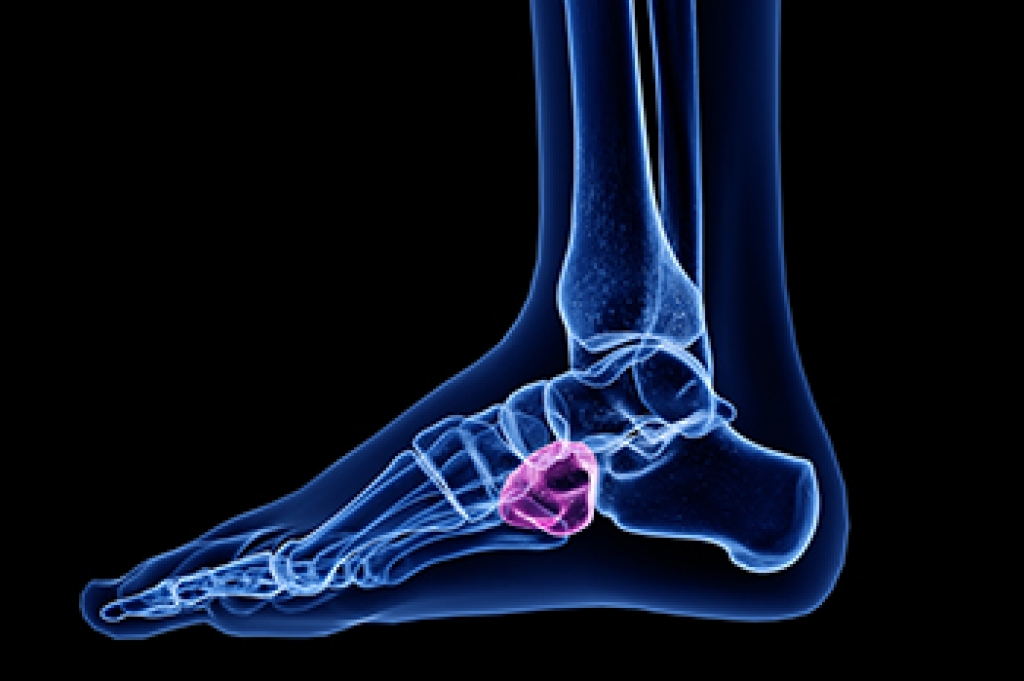
Relieving Foot Pain from Cuboid Syndrome

Cuboid syndrome is a condition where the cuboid bone in the foot becomes misaligned, often causing sharp pain along the outer side of the foot. It can result from overuse, ankle sprains, or repetitive stress from activities like running or jumping. Risk factors include wearing improper footwear, flat feet, or uneven gait patterns. Symptoms may include localized pain, weakness, and difficulty bearing weight. The cuboid whip is a manual technique used to realign the bone quickly and effectively, often providing immediate relief. A podiatrist can diagnose cuboid syndrome through a physical examination and provide treatments such as manipulation, orthotics, and rehabilitation. If you are experiencing foot pain, it is suggested that you consult a podiatrist who can provide an accurate diagnosis and treatment.

Cuboid syndrome, also known as cuboid subluxation, occurs when the joints and ligaments near the cuboid bone in the foot become torn. If you have cuboid syndrome, consult with Lance Greiff, DPM from Great Neck Podiatry. Our doctor will assess your condition and provide you with quality foot and ankle treatment.

Cuboid syndrome is a common cause of lateral foot pain, which is pain on the outside of the foot. The condition may happen suddenly due to an ankle sprain, or it may develop slowly overtime from repetitive tension through the bone and surrounding structures.

Causes

The most common causes of cuboid syndrome include:

  • Injury – The most common cause of this ailment is an ankle sprain.
  • Repetitive Strain – Tension placed through the peroneus longus muscle from repetitive activities such as jumping and running may cause excessive traction on the bone causing it to sublux.
  • Altered Foot Biomechanics – Most people suffering from cuboid subluxation have flat feet.

Symptoms

A common symptom of cuboid syndrome is pain along the outside of the foot which can be felt in the ankle and toes. This pain may create walking difficulties and may cause those with the condition to walk with a limp.

Diagnosis

Diagnosis of cuboid syndrome is often difficult, and it is often misdiagnosed. X-rays, MRIs and CT scans often fail to properly show the cuboid subluxation. Although there isn’t a specific test used to diagnose cuboid syndrome, your podiatrist will usually check if pain is felt while pressing firmly on the cuboid bone of your foot.

Treatment

Just as the range of causes varies widely, so do treatments. Some more common treatments are ice therapy, rest, exercise, taping, and orthotics.

If you have any questions, please feel free to contact our offices located in Great Neck Bronx, NY . We offer the newest diagnostic and treatment technologies for all your foot care needs.
Read more about Cuboid Syndrome

What Your Foot May Be Telling You About Morton’s Neuroma

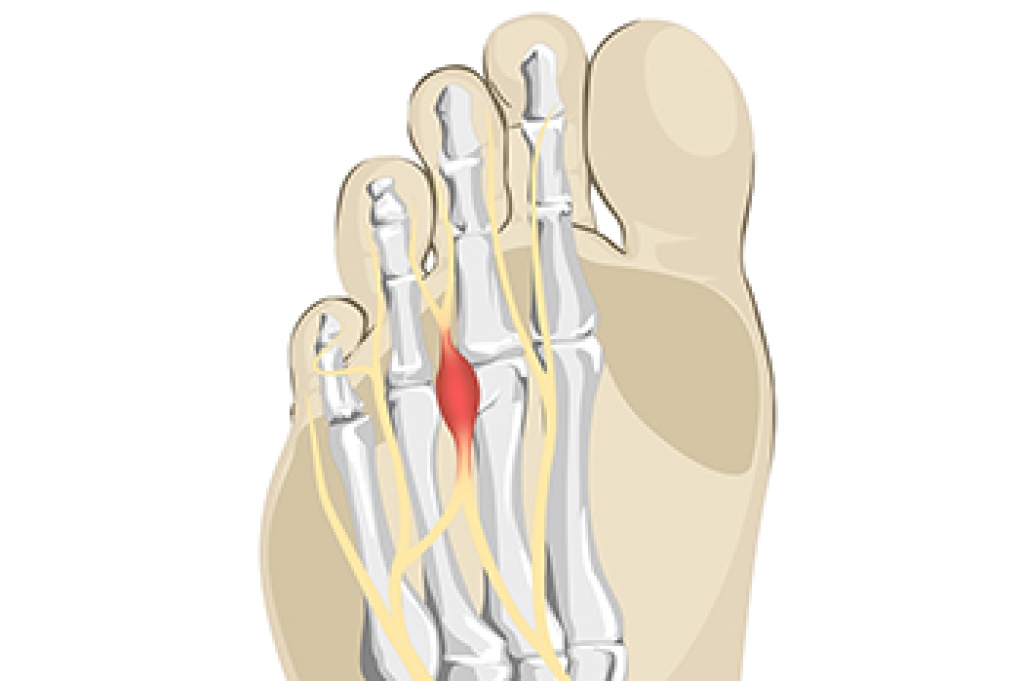
Morton’s neuroma is a nerve issue that most often develops between the third and fourth toes. It can feel like a small pebble is stuck in your shoe or a burning or tingling sensation in the ball of the foot. Some people notice numbness that comes and goes, especially when wearing tight shoes or walking for long periods of time. The pain may improve when shoes are removed or the foot is rubbed, but the symptoms often return. Over time, the discomfort can become more frequent or intense. Without treatment, daily activities may become difficult. Because Morton’s neuroma involves a thickened nerve, early care can help avoid further irritation. If you are noticing strange sensations or pain in your forefoot, it is suggested that you see a podiatrist for a thorough exam and a clear plan for relief.

Morton’s neuroma is a very uncomfortable condition to live with. If you think you have Morton’s neuroma, contact Lance Greiff, DPM of Great Neck Podiatry. Our doctor will attend to all of your foot care needs and answer any of your related questions.  

Morton’s Neuroma

Morton's neuroma is a painful foot condition that commonly affects the areas between the second and third or third and fourth toe, although other areas of the foot are also susceptible. Morton’s neuroma is caused by an inflamed nerve in the foot that is being squeezed and aggravated by surrounding bones.

What Increases the Chances of Having Morton’s Neuroma?

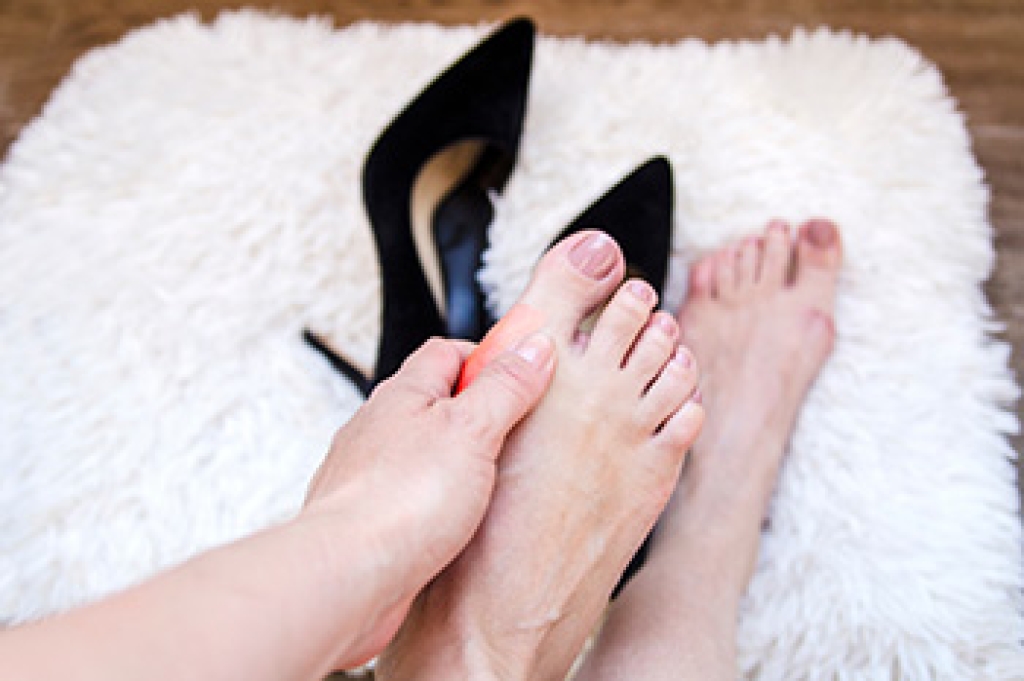
  • Ill-fitting high heels or shoes that add pressure to the toe or foot
  • Jogging, running or any sport that involves constant impact to the foot
  • Flat feet, bunions, and any other foot deformities

Morton’s neuroma is a very treatable condition. Orthotics and shoe inserts can often be used to alleviate the pain on the forefront of the feet. In more severe cases, corticosteroids can also be prescribed. In order to figure out the best treatment for your neuroma, it’s recommended to seek the care of a podiatrist who can diagnose your condition and provide different treatment options.

If you have any questions, please feel free to contact our offices located in Great Neck Bronx, NY . We offer the newest diagnostic and treatment technologies for all your foot care needs.

Read more about Morton's Neuroma

Women May Be More at Risk for Bunions

Bunions, also known as hallux valgus, are more prevalent in women, especially as they age. This deformity develops when the big toe angles inward toward the smaller ones, causing a prominent bump on the side of the foot. As the deformity worsens, it can alter the alignment of the smaller toes and affect normal foot function. This often leads to additional complications, such as corns, calluses, hammer toes, and discomfort when walking. Factors that contribute to bunions include wearing narrow or pointy high-heeled shoes, a family history of bunions, or having flat feet. Recent findings show that the severity of bunions can significantly reduce both foot-specific and overall quality of life.  A podiatrist can evaluate the extent of the bunion deformity and recommend appropriate treatment, which may include orthotic support, footwear modifications, or surgery. If you have a painful bunion, it is suggested that you schedule an appointment with a podiatrist for appropriate treatment.

If you are suffering from bunions, contact Lance Greiff, DPM of Great Neck Podiatry. Our doctor can provide the care you need to keep you pain-free and on your feet.

What Is a Bunion?

A bunion is formed of swollen tissue or an enlargement of boney growth, usually located at the base joint of the toe that connects to the foot. The swelling occurs due to the bones in the big toe shifting inward, which impacts the other toes of the foot. This causes the area around the base of the big toe to become inflamed and painful.

Why Do Bunions Form?

Genetics – Susceptibility to bunions are often hereditary

Stress on the feet – Poorly fitted and uncomfortable footwear that places stress on feet, such as heels, can worsen existing bunions

How Are Bunions Diagnosed?

Doctors often perform two tests – blood tests and x-rays – when trying to diagnose bunions, especially in the early stages of development. Blood tests help determine if the foot pain is being caused by something else, such as arthritis, while x-rays provide a clear picture of your bone structure to your doctor.

How Are Bunions Treated?

  • Refrain from wearing heels or similar shoes that cause discomfort
  • Select wider shoes that can provide more comfort and reduce pain
  • Anti-inflammatory and pain management drugs
  • Orthotics or foot inserts
  • Surgery

If you have any questions, please feel free to contact our offices located in Great Neck Bronx, NY . We offer the newest diagnostic and treatment technologies for all your foot care needs.

Read more about Bunions

Types of Foot Surgery for Common Conditions

When foot pain does not improve with conservative care, surgery may be considered to restore comfort and function. For those with arthritis, procedures may involve removing damaged tissue, fusing joints to limit painful motion, or replacing the joint entirely. Hammertoe correction often includes straightening the toe by releasing tight tendons or removing part of the bone to improve alignment. In more severe cases, small implants or joint fusion may be used. Heel-related surgeries can address chronic conditions such as heel spurs or plantar fasciitis by removing bony growths or releasing tight tissue that causes strain. Each procedure is selected based on the individual’s condition, level of discomfort, and response to non-surgical treatments. Recovery times and outcomes vary, but many patients experience significant improvement in movement and pain relief. If foot pain from conditions such as arthritis, deformity, or chronic heel issues is interfering with your daily life, it is suggested that you consult a podiatrist for evaluation and appropriate care.

Foot surgery is sometimes necessary to treat a foot ailment. To learn more, contact Lance Greiff, DPM of Great Neck Podiatry. Our doctor will assist you with all of your foot and ankle needs.

When Is Surgery Necessary?

Foot and ankle surgery is generally reserved for cases in which less invasive, conservative procedures have failed to alleviate the problem. Some of the cases in which surgery may be necessary include:

  • Removing foot deformities like bunions and bone spurs
  • Severe arthritis that has caused bone issues
  • Cosmetic reconstruction

What Types of Surgery Are There?

The type of surgery you receive will depend on the nature of the problem you have. Some of the possible surgeries include:

  • Bunionectomy for painful bunions
  • Surgical fusion for realignment of bones
  • Neuropathy decompression surgery to treat nerve damage

Benefits of Surgery

Although surgery is usually a last resort, it can provide more complete pain relief compared to non-surgical methods and may allow you to finally resume full activity.

Surgical techniques have also become increasingly sophisticated. Techniques like endoscopic surgery allow for smaller incisions and faster recovery times.

If you have any questions, please feel free to contact our offices located in Great Neck Bronx, NY . We offer the newest diagnostic and treatment technologies for all your foot care needs.

Read more about Foot and Ankle Surgery