Constant care and regular evaluation are important for a foot or ankle fracture. If left untreated, foot or ankle fractures can worsen over time and create more serious problems.
Don't wait to be examined if you believe you've experienced a foot or ankle fracture.
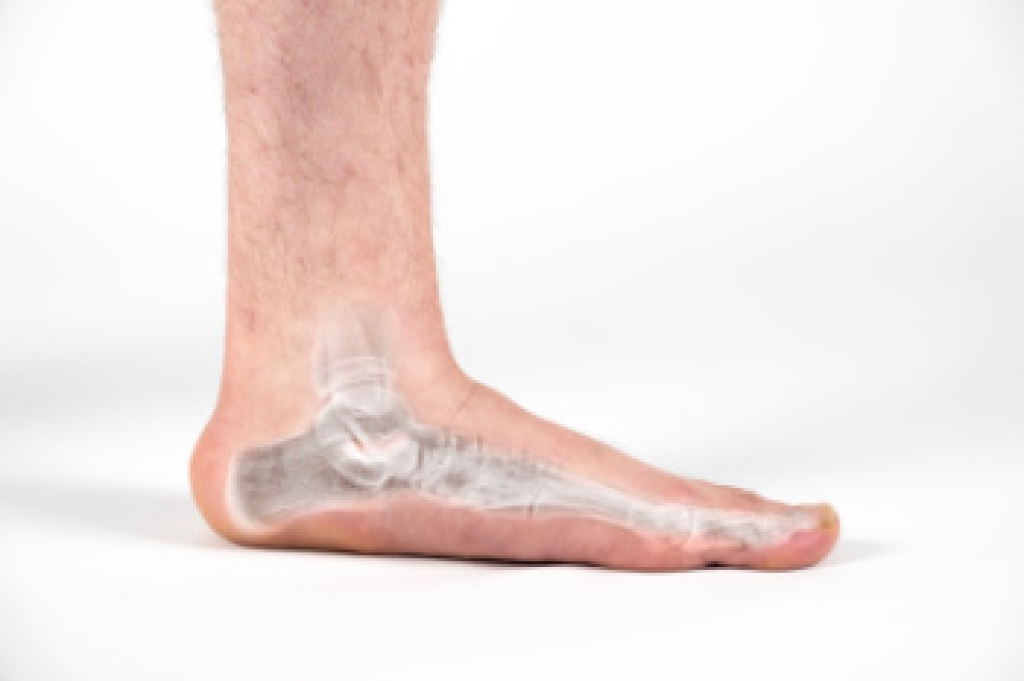
Flat feet develop when the arches along the inside of the feet are low or absent while standing. These arches help distribute body weight, maintain balance, and absorb shock with each step. Some people have flexible flat feet, where an arch appears when sitting or standing on tiptoes. Others have rigid flat feet, where the arch remains absent in every position. Flat feet do not always cause problems, but symptoms can develop when changes in foot structure place added stress on the feet and ankles.
Flat feet can be present from childhood or develop later in life. In adults, fallen arches can be related to aging, injury, or wear and tear. Other risk factors include diabetes, obesity, and rheumatoid arthritis. Symptoms can include tired or aching feet after standing for long periods of time. Patients can also experience swelling along the inside of the foot or ankle. Pain can extend into the ankles, legs, or back. Changes in toe position or flexibility can also occur. A tight Achilles tendon can contribute to flat feet by affecting normal foot movement.
A podiatrist can examine the arches and determine whether flat feet are flexible or rigid. The evaluation can also assess walking patterns, foot alignment, and areas of pain. Treatment depends on the severity of symptoms and the underlying cause. A podiatrist can recommend custom orthotics to support the arches and improve how pressure is distributed across the feet. Treatment can also include targeted stretches or shoes with built-in arch support. Severe cases linked to structural problems can sometimes require surgery. Proper evaluation is especially important when fallen arches develop suddenly or begin interfering with comfortable movement. If you have pain from having flat feet, it is suggested that you schedule an appointment with a podiatrist for effective relief, treatment, and management tips.
Flatfoot is a condition many people suffer from. If you have flat feet, contact Lance Greiff, DPM from Great Neck Podiatry. Our doctor will treat your foot and ankle needs.
What Are Flat Feet?
Flatfoot is a condition in which the arch of the foot is depressed and the sole of the foot is almost completely in contact with the ground. About 20-30% of the population generally has flat feet because their arches never formed during growth.
Conditions & Problems:
Having flat feet makes it difficult to run or walk because of the stress placed on the ankles.
Alignment – The general alignment of your legs can be disrupted, because the ankles move inward which can cause major discomfort.
Knees – If you have complications with your knees, flat feet can be a contributor to arthritis in that area.
Symptoms
Pain around the heel or arch area
Trouble standing on the tip toe
Swelling around the inside of the ankle
Flat look to one or both feet
Having your shoes feel uneven when worn
Treatment
If you are experiencing pain and stress on the foot you may weaken the posterior tibial tendon, which runs around the inside of the ankle.
If you have any questions, please feel free to contact our offices located in Great NeckBronx, NY. We offer the newest diagnostic and treatment technologies for all your foot care needs.
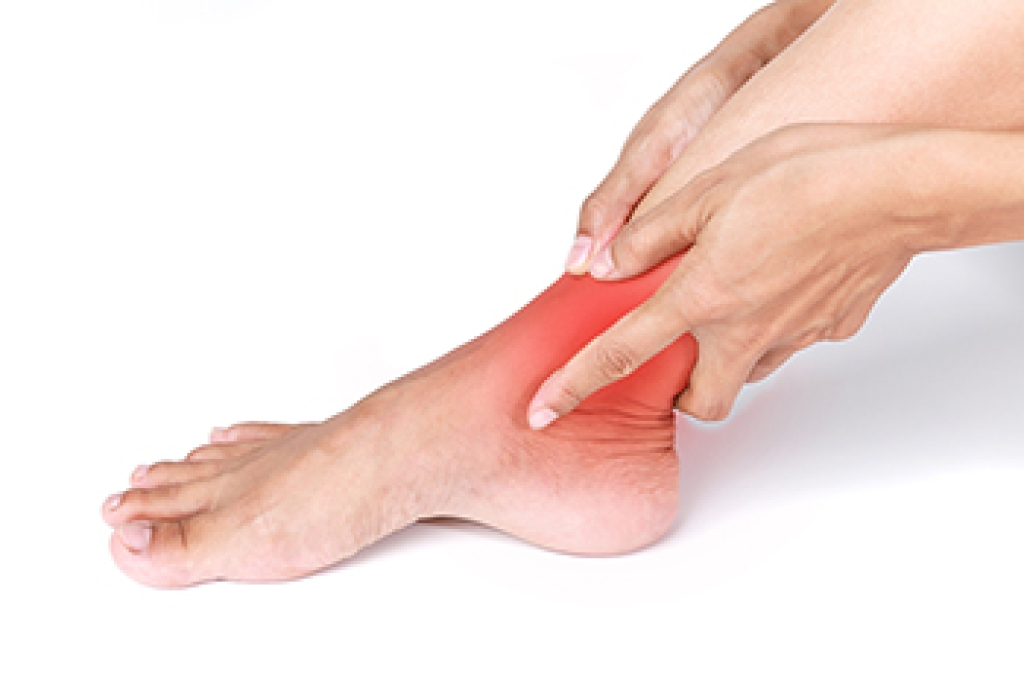
Ankle pain is discomfort affecting the ankle joint, surrounding muscles, or ligaments. It can develop gradually or occur suddenly after an injury. Pain may range from a dull ache to severe discomfort that makes walking difficult. Common symptoms include swelling, bruising, or stiffness. Tenderness, and reduced movement are also common. Ankle pain can affect daily activities, especially while standing, walking, or exercising. Understanding the cause can help guide appropriate care and prevent symptoms from becoming worse.
Several factors can contribute to ankle pain. Excessive exercise may place repeated stress on muscles, tendons, and joints, especially when activity increases too quickly. Wearing tight shoes can also create pressure around the ankle and affect foot movement. Other causes include sprains, tendon irritation, or overuse. Risk factors may include previous ankle injuries, physically demanding activities, and sudden changes in exercise routines. Paying attention to discomfort can help prevent minor problems from progressing.
A podiatrist can evaluate ankle pain by reviewing your symptoms, activity level, and injury history. The examination may assess swelling, tenderness, and foot strength. They may also check flexibility, and walking mechanics. Imaging tests may be recommended when a fracture or significant structural problem is suspected. Treatment depends on the underlying cause. A podiatrist may recommend activity modification, supportive footwear, or targeted exercises. More involved care may include bracing, physical therapy, or other treatments designed to reduce pain and restore ankle function.
Do not ignore ankle pain that persists, becomes severe, or interferes with movement. Resting from aggravating activities and wearing comfortable shoes may help reduce irritation. However, continued symptoms require a podiatric evaluation to identify the source and prevent further damage. Your podiatrist can develop a treatment plan based on your needs and monitor your progress during recovery. If you have ankle pain, it is suggested that you consult a podiatrist for an accurate diagnosis and appropriate treatment.
Ankle pain can have many different causes and the pain may potentially be serious. If you have ankle pain, consult with Lance Greiff, DPM from Great Neck Podiatry. Our doctor will assess your condition and provide you with quality foot and ankle treatment.
Ankle pain is any condition that causes pain in the ankle. Due to the fact that the ankle consists of tendons, muscles, bones, and ligaments, ankle pain can come from a number of different conditions.
Causes
The most common causes of ankle pain include:
Types of arthritis (rheumatoid, osteoarthritis, and gout)
Ankle sprains
Broken ankles
Achilles tendinitis
Achilles tendon rupture
Stress fractures
Tarsal tunnel syndrome
Plantar fasciitis
Symptoms
Symptoms of ankle injury vary based upon the condition. Pain may include general pain and discomfort, swelling, aching, redness, bruising, burning or stabbing sensations, and/or loss of sensation.
Diagnosis
Due to the wide variety of potential causes of ankle pain, podiatrists will utilize a number of different methods to properly diagnose ankle pain. This can include asking for personal and family medical histories and of any recent injuries. Further diagnosis may include sensation tests, a physical examination, and potentially x-rays or other imaging tests.
Treatment
Just as the range of causes varies widely, so do treatments. Some more common treatments are rest, ice packs, keeping pressure off the foot, orthotics and braces, medication for inflammation and pain, and surgery.
If you have any questions please feel free to contact our offices located in Great NeckBronx, NY. We offer the newest diagnostic tools and technology to treat your foot and ankle needs.
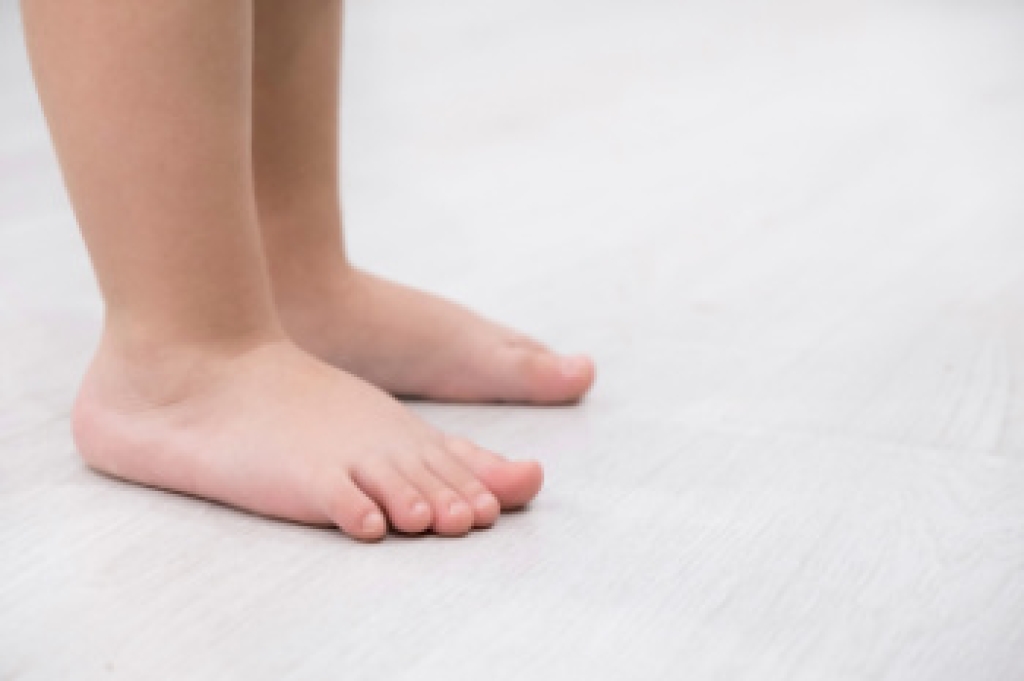
Pediatric flat feet occur when the arches of a child’s feet appear low or absent while standing. In many children, flexible flat feet are painless and part of normal development, especially during the early years of growth. Flexible flat feet mean the arch is visible when the child is sitting or standing on tiptoe, but it flattens while standing normally. However, some children experience discomfort, fatigue, balance problems, or difficulty keeping up with physical activities. Parents may notice uneven shoe wear, frequent tripping, ankle pain, or a walking pattern that appears unusual. Flat feet can sometimes place added strain on the muscles and joints of the feet and legs, particularly during sports or long periods of activity. Rigid flat feet occur when the arch remains stiff and absent even when the foot is not bearing weight, which may point to an underlying structural problem. A podiatrist can examine foot structure, evaluate walking mechanics, and determine the best treatment approach. If your child experiences ongoing foot pain or difficulty walking, it is suggested that you visit a podiatrist for a proper diagnosis and appropriate treatment.
The health of a child’s feet is vital to their overall well-being. If you have any questions regarding foot health, contact Lance Greiff, DPM of Great Neck Podiatry. Our doctor can provide the care you need to keep you pain-free and on your feet.
Tips for Keeping Children's Feet Healthy
Make sure their shoes fit properly
Look for any signs of in-toeing or out-toeing
Check to see if they have Clubfoot (condition that affects your child’s foot and ankle, twisting the heel and toes inward) which is one of the most common nonmajor birth defects.
Lightly cover your baby’s feet (Tight covers may keep your baby from moving their feet freely, and could prevent normal development)
Allow your toddler to go shoeless (Shoes can be restricting for a young child’s foot)
Cut toenails straight across to avoid ingrown toenails
Keep your child’s foot clean and dry
Cover cuts and scrapes. Wash any scratches with soap and water and cover them with a bandage until they’ve healed.
If you have any questions, please feel free to contact our offices located in Great NeckBronx, NY. We offer the newest diagnostic and treatment technologies for all your foot care needs.
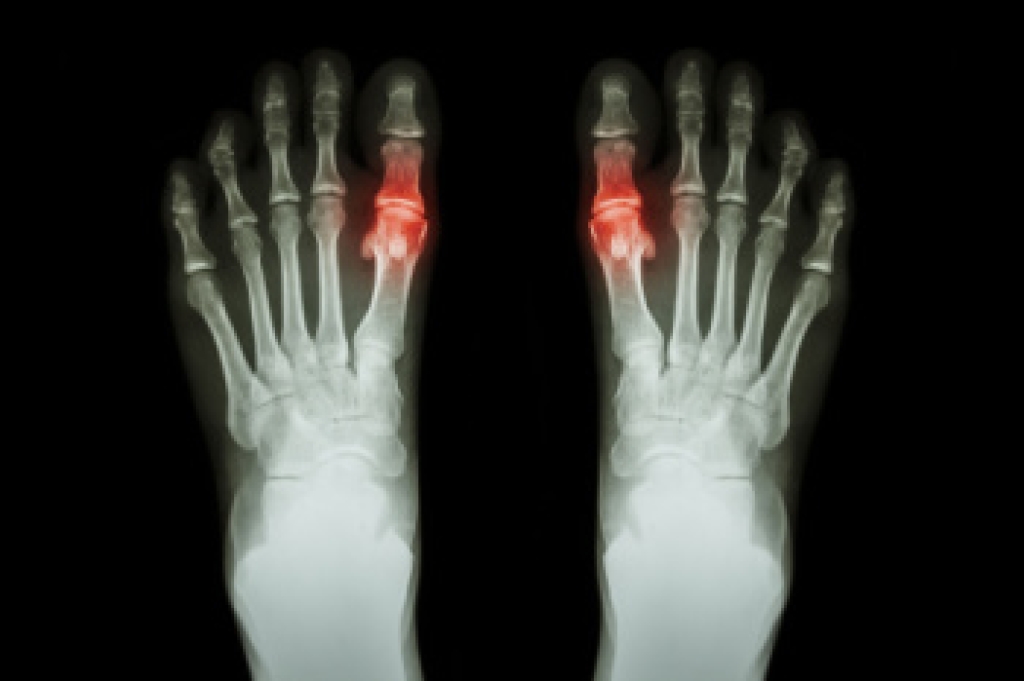
Gout is the most common type of inflammatory arthritis and often affects the foot, especially the big toe joint. It occurs when high levels of uric acid build up in the blood and form sharp crystals in the joints. These crystals trigger inflammation, leading to sudden and severe pain. The condition may develop quickly, and can return in repeated episodes if not managed properly. Understanding the definition and causes of gout is important for early recognition and treatment.
Symptoms of gout typically include intense pain in the big toe, swelling, and warmth around the joint. The pain often begins suddenly, sometimes during the night, and can be severe enough to limit movement. Some individuals may also experience stiffness or lingering discomfort after the initial attack. These symptoms can affect daily activities and may worsen, if left untreated. Early identification of these signs can help reduce the severity of flare-ups.
Risk factors for gout include high levels of uric acid in the body, which may result from diet, genetics, or certain medical conditions. Foods rich in purines, such as red meat and seafood, can increase uric acid production. Other risk factors include obesity, dehydration, and certain medications. Limited kidney function can also reduce the body ability to remove uric acid effectively. These factors contribute to crystal formation and joint inflammation over time.
Managing gout involves reducing uric acid levels and preventing future flare ups. Lifestyle changes such as maintaining a balanced diet, staying hydrated, and managing weight can help lower risk. Treatment may include medications to reduce inflammation and control uric acid levels. Monitoring symptoms and seeking professional care can improve long-term outcomes. If you have gout, it is strongly suggested that you are under the care of a podiatrist who can help you to manage this serious condition.
Gout is a foot condition that requires certain treatment and care. If you are seeking treatment, contact Lance Greiff, DPM from Great Neck Podiatry. Our doctor will treat your foot and ankle needs.
What Is Gout?
Gout is a type of arthritis caused by a buildup of uric acid in the bloodstream. It often develops in the foot, especially the big toe area, although it can manifest in other parts of the body as well. Gout can make walking and standing very painful and is especially common in diabetics and the obese.
People typically get gout because of a poor diet. Genetic predisposition is also a factor. The children of parents who have had gout frequently have a chance of developing it themselves.
Gout can easily be identified by redness and inflammation of the big toe and the surrounding areas of the foot. Other symptoms include extreme fatigue, joint pain, and running high fevers. Sometimes corticosteroid drugs can be prescribed to treat gout, but the best way to combat this disease is to get more exercise and eat a better diet.
If you have any questions, please feel free to contact our offices located in Great NeckBronx, NY. We offer the newest diagnostic and treatment technologies for all your foot care needs.