Why High Heels May Cause Blisters

Blisters are a common problem while wearing high heels because friction builds up with every step, especially during long periods of walking or standing. Wearing tight or narrow heels increases rubbing on the toes and heels, which leads to painful fluid filled pockets on the skin, known as blisters. Prevention starts with choosing heels that fit properly, and many people find relief by buying a size larger for more room. Wearing wedges provides more stability and reduces pressure on the foot, and alternating heels with flat shoes throughout the day helps limit irritation. A podiatrist can assess problem areas, recommend protective padding, and treat existing blisters safely before they become infected. If blisters are slowing you down, it is suggested that you schedule an appointment with a podiatrist who can offer effective relief and prevention tips.

Blisters are prone to making everyday activities extremely uncomfortable. If your feet are hurting, contact Lance Greiff, DPM of Great Neck Podiatry. Our doctor can provide the care you need to keep you pain-free and on your feet.

Foot Blisters

Foot blisters develop as a result of constantly wearing tight or ill-fitting footwear. This happens due to the constant rubbing from the shoe, which can often lead to pain.

What Are Foot Blisters?

A foot blister is a small fluid-filled pocket that forms on the upper-most layer of the skin. Blisters are filled with clear fluid and can lead to blood drainage or pus if the area becomes infected.

How Do Blisters Form?

Blisters on the feet are often the result of constant friction of skin and material, usually by shoe rubbing. Walking in sandals, boots, or shoes that don’t fit properly for long periods of time can result in a blister. Having consistent foot moisture and humidity can easily lead to blister formation.

Prevention & Treatment

It is important to properly care for the affected area in order to prevent infection and ease the pain. Do not lance the blister and use a Band-Aid to provide pain relief. Also, be sure to keep your feet dry and wear proper fitting shoes. If you see blood or pus in a blister, seek assistance from a podiatrist.

If you have any questions, please feel free to contact our offices located in Great Neck Bronx, NY . We offer the newest diagnostic and treatment technologies for all your foot care needs.

Read more about Blisters

Gout and Its Impact on the Feet

Gout is a painful type of arthritis caused by the buildup of monosodium urate crystals in the joints and tissues. These crystals form when uric acid levels in the blood become too high. Contributing factors include diet, alcohol intake, obesity, and chronic kidney disease, which reduce the body’s ability to eliminate uric acid. Symptoms include sudden joint pain, redness, swelling, and warmth, most often affecting the big toe due to its lower temperature and reduced circulation. A podiatrist can diagnose gout through an examination and testing, then provide treatments to reduce pain, prevent future attacks, and protect joint health. If you have pain in your big toe, it is strongly suggested that you are under the care of a podiatrist who can offer effective relief and treatment solutions.

Gout is a foot condition that requires certain treatment and care. If you are seeking treatment, contact Lance Greiff, DPM from Great Neck Podiatry. Our doctor will treat your foot and ankle needs.

What Is Gout?

Gout is a type of arthritis caused by a buildup of uric acid in the bloodstream. It often develops in the foot, especially the big toe area, although it can manifest in other parts of the body as well. Gout can make walking and standing very painful and is especially common in diabetics and the obese.

People typically get gout because of a poor diet. Genetic predisposition is also a factor. The children of parents who have had gout frequently have a chance of developing it themselves.

Gout can easily be identified by redness and inflammation of the big toe and the surrounding areas of the foot. Other symptoms include extreme fatigue, joint pain, and running high fevers. Sometimes corticosteroid drugs can be prescribed to treat gout, but the best way to combat this disease is to get more exercise and eat a better diet.

If you have any questions, please feel free to contact our offices located in Great Neck Bronx, NY . We offer the newest diagnostic and treatment technologies for all your foot care needs.

Read more about Everything You Need to Know About Gout

Why Live with Pain and Numbness in Your Feet?

Suffering from this type of pain? You may have the foot condition known as Morton's neuroma. Morton's neuroma may develop as a result of ill-fitting footwear and existing foot deformities. We can help.

When Arthritis Affects Your Feet

Arthritis in the feet can make each step feel heavier and more painful than the last. It often begins with stiffness in the morning or after sitting, followed by aching or swelling surrounding the joints of the toes, midfoot, or ankle. The pain may feel sharp during movement or dull and throbbing by the end of the day. As the condition progresses, joints can lose flexibility, making it harder to walk, climb stairs, or fit into regular shoes. Some people notice warmth, redness, or bony bumps forming around the affected areas. Because arthritis can worsen over time, early diagnosis is important. A podiatrist can assess joint health, recommend supportive footwear, custom orthotics, or anti-inflammatory treatments, and suggest gentle exercises to maintain mobility. If you have joint pain in your feet or ankles, it is suggested that you consult a podiatrist for relief options.

Arthritis can be a difficult condition to live with. If you are seeking treatment, contact Lance Greiff, DPM from Great Neck Podiatry. Our doctor can provide the care you need to keep you pain-free and on your feet.

Arthritic Foot Care  

Arthritis is a joint disorder that involves the inflammation of different joints in your body, such as those in your feet. Arthritis is often caused by a degenerative joint disease and causes mild to severe pain in all affected areas. In addition to this, swelling and stiffness in the affected joints can also be a common symptom of arthritis.

In many cases, wearing ill-fitting shoes can worsen the effects and pain of arthritis. Wearing shoes that have a lower heel and extra room can help your feet feel more comfortable. In cases of rheumatoid arthritis, the arch in your foot may become problematic. Buying shoes with proper arch support that contour to your feet can help immensely.

Alleviating Arthritic Pain

  • Exercises that stretch the foot can prevent further pain and injury and increase mobility
  • Most of the pain can be alleviated with anti-inflammatory drugs, heat, and topical medications
  • Massages can help temporarily alleviate pain.

It is best to see your doctor for the treatment that is right for your needs and symptoms. Conditions vary, and a podiatrist can help you determine the right method of care for your feet.

If you have any questions please feel free to contact our offices located in Great Neck Bronx, NY . We offer the newest diagnostic tools and technology to treat your foot and ankle needs.

Read more about Arthritic Foot Care

Causes and Symptoms of Morton’s Neuroma

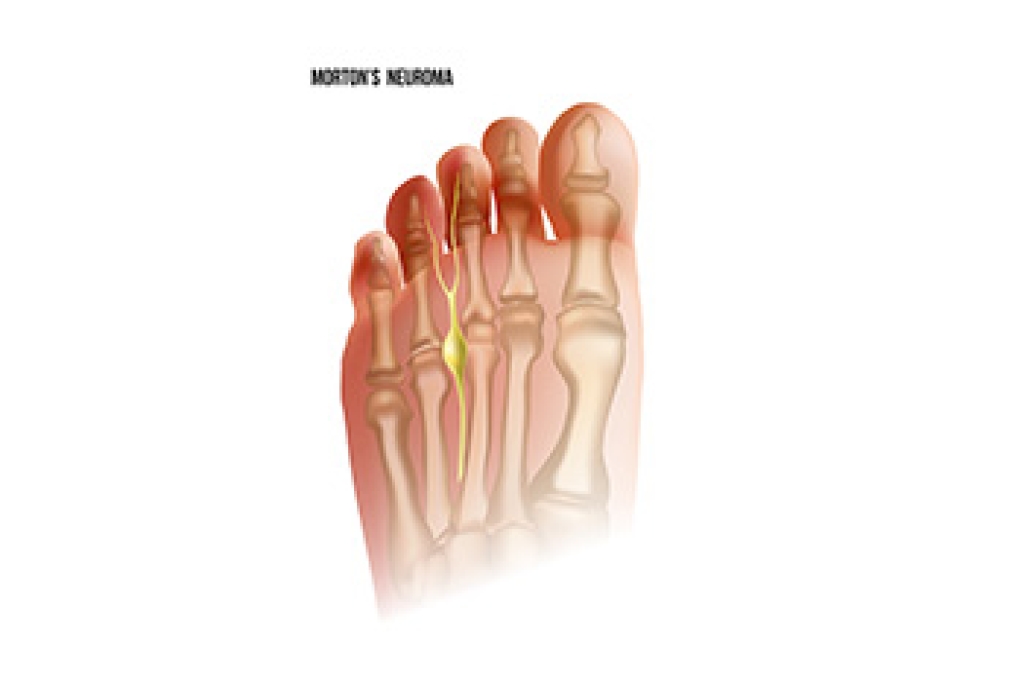
Morton’s neuroma develops when the tissue surrounding a nerve between the toes thickens. Morton’s neuroma most often affects the nerves between the third and fourth toes. This thickening compresses the nerve, causing sharp, burning pain or tingling that spreads from the ball of the foot into the toes. Many people describe it as feeling like a pebble trapped beneath the foot. The condition often results from excessive pressure or friction caused by wearing tight shoes, high heels, or frequent use of footwear that lacks adequate support. Foot deformities like bunions, hammertoes, or flat feet can also increase strain on the forefoot and irritate the nerve. A podiatrist can assess the nerve, confirm the diagnosis through imaging, if needed, and recommend suitable treatment or surgery when appropriate. If you have pain in the ball of the foot, it is suggested that you schedule an appointment with a podiatrist for a diagnosis and appropriate treatment options.

Morton’s neuroma is a very uncomfortable condition to live with. If you think you have Morton’s neuroma, contact Lance Greiff, DPM of Great Neck Podiatry. Our doctor will attend to all of your foot care needs and answer any of your related questions.  

Morton’s Neuroma

Morton's neuroma is a painful foot condition that commonly affects the areas between the second and third or third and fourth toe, although other areas of the foot are also susceptible. Morton’s neuroma is caused by an inflamed nerve in the foot that is being squeezed and aggravated by surrounding bones.

What Increases the Chances of Having Morton’s Neuroma?

  • Ill-fitting high heels or shoes that add pressure to the toe or foot
  • Jogging, running or any sport that involves constant impact to the foot
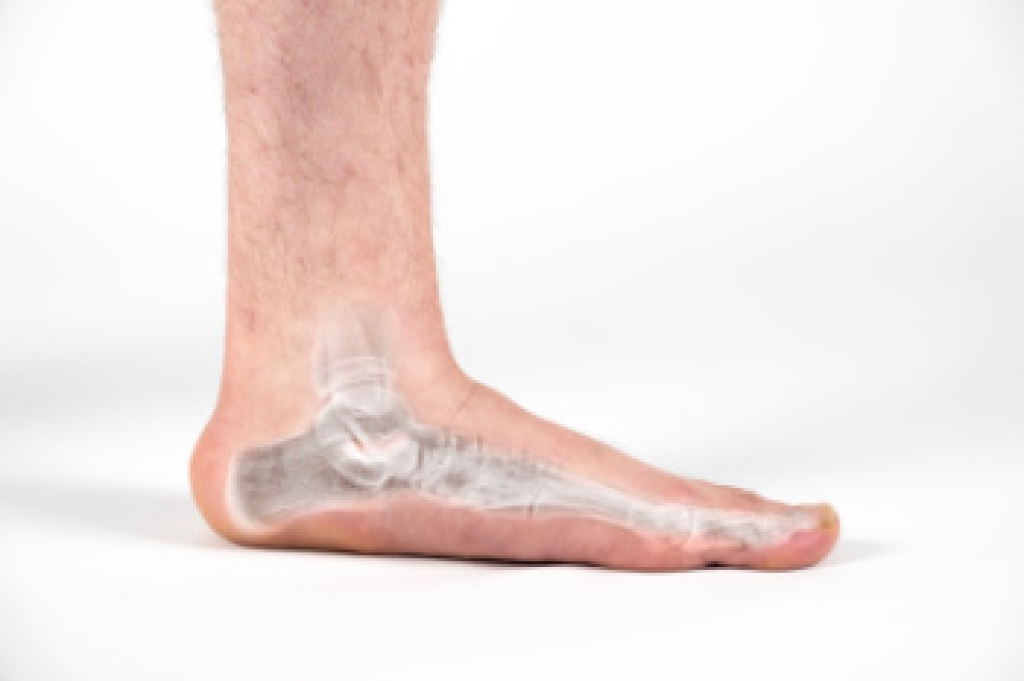
  • Flat feet, bunions, and any other foot deformities

Morton’s neuroma is a very treatable condition. Orthotics and shoe inserts can often be used to alleviate the pain on the forefront of the feet. In more severe cases, corticosteroids can also be prescribed. In order to figure out the best treatment for your neuroma, it’s recommended to seek the care of a podiatrist who can diagnose your condition and provide different treatment options.

If you have any questions, please feel free to contact our offices located in Great Neck Bronx, NY . We offer the newest diagnostic and treatment technologies for all your foot care needs.

Read more about Morton's Neuroma